I wanted to share something important that’s been happening lately. Many of us are on the lookout for jobs, especially when we need some extra cash. But what if a hiring manager reaches out with a job offer on WhatsApp? It feels a bit off, right? Too good to be true?
The temptation of easy money is strong, especially when it comes at a time when we need it the most. However, if the opportunity seems perfect, it probably isn’t. Part-time job scams are on the rise, and they often target those who are desperate enough to miss the warning signs.
So, we decided to dig into one of these scams ourselves to see how they work up close.
How the Part-Time Job Scam Works
The First Contact: A Tempting Offer
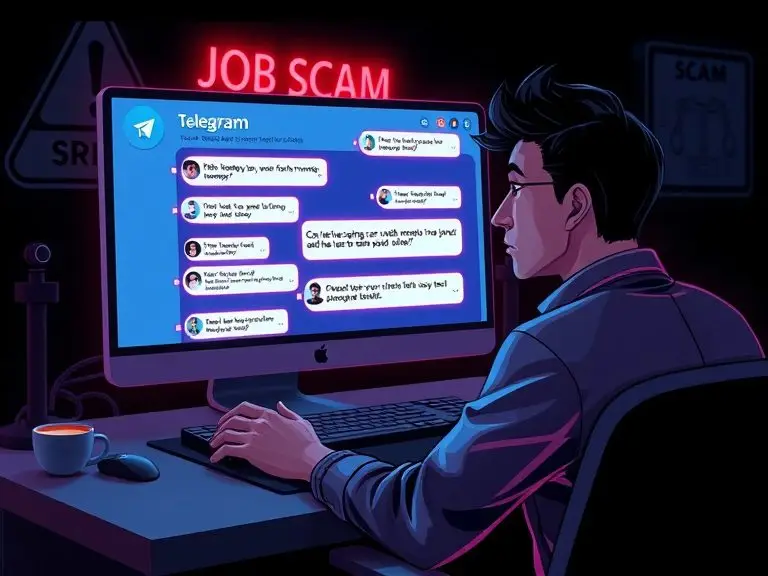
Scammers often use platforms like WhatsApp and Telegram to send job offers. These messages claim to offer lucrative part-time opportunities that require little effort but promise a big reward. Check out these common scam messages:
- “Earn ₹800/hour working from home!”
- “Complete simple online tasks and make steady income.”
The Tasks: Simple but Deceptive
At first, the tasks seem easy and harmless. The scammers will ask you to complete simple tasks, such as:
- Adding products to shopping carts on sites like eBay or Amazon.
- Following and interacting with accounts on Instagram or TikTok.
- Watching and liking YouTube videos.
- Writing reviews for businesses on platforms like Google or Yelp.
- Participating in online surveys or playing internet-based games.
Into the Trap: Our Experience
To fully understand how these scams work, we decided to follow one through and see it for ourselves. Here’s what we found:
Starting Simple
I was given a list of tasks, each with a different level of urgency and a promise of rewards ranging from ₹150 to ₹300 for each task completed. One task was to give rating for 3rd party organizations and send a screenshot to the scammer.
Building Trust with joining bonus
After completing a few tasks, the scammers sent a small amount of money INR 150rs in my bank account directly, to make the scam appear more real. I could see the transaction in my account. For example:
- “Give five-star rating to a company on google and send a screenshot. You’ll get ₹150 after completing this.”
Another Payout for Completing Tasks
The scammers again deposited 250 INR into my account to build trust, making it seem like the scam was genuine. They even made multiple deposits, when so it felt more convincing.
The Main Scam: The Advance Fee Trap
The VIP Task and Payment Request
After gaining my trust, the scammers introduced a VIP task, asking for an advance fee with promises of a 30-50% return. I was added to a group chat with other “victims” who were also completing tasks. The scammers sent a message saying, “Pay a small deposit now, and you will get a cashback of 40% once the task is complete.” For example:
- “Deposit ₹5,000 now to unlock your VIP task, and we will send you 40% back after completion.”
Losing the Money
Once I deposited the money for the VIP task, I never saw it again. The scammers either disappeared or gave excuses for not returning the money. If I asked for a refund, they demanded more payments, threatening to keep our initial deposit.
Government Crackdown on Scam Websites
The Indian government is stepping up efforts to combat these scams. Over 100 websites promoting these fake schemes have been blocked. These platforms often operate under new names, so staying vigilant is crucial.
While government actions are an essential step, they can only go so far. Scammers will find new ways to rebrand and restart operations. That’s why individual awareness is key.
Why Sharing Personal Details Is Dangerous
Scammers often ask for sensitive information like your UPI ID, banking details, or OTPs. Sharing these details is like handing over the keys to your financial life. Once scammers have your information, they can:
- Drain your bank account.
- Use your data in other fraudulent activities.
- Spread malware to your devices.
It’s vital to safeguard this information. Scammers may not stop at small thefts—they can completely wipe out savings if they gain access.
How to Protect Yourself from Part-Time Job Scams
- Spot the Red Flags: If you get a message offering easy money, be suspicious. Legitimate job offers come through official channels, involve interviews, and don’t promise large sums for simple tasks.
- Check if the Company is Real: Look up the company or the job offer. Real businesses usually have a digital footprint, and their information can be verified online.
- Be Careful with UPI Payments: Avoid job offers that ask for UPI IDs. Scammers had a team of other genuine people for doing the UPI transactions because it’s difficult to trace and irreversible.
- Never Pay to Earn: If a job asks you to pay money upfront, it’s almost certainly a scam. Real employers don’t ask for money before hiring.
- Report Suspected Scams: If you think you’ve been scammed, report it to the local police station, your bank account and cybercrime website to help prevent others from falling victim.
Don’t Fall for the Trap
Part-time job scams can cause a lot of stress. I have seen many people share their experiences on sites like Reddit, showing how these scams hurt both financially and emotionally. While it’s hard to avoid suspicious messages completely, staying informed can help you spot the red flags. Stay alert and spread the word to help others avoid falling victim too.