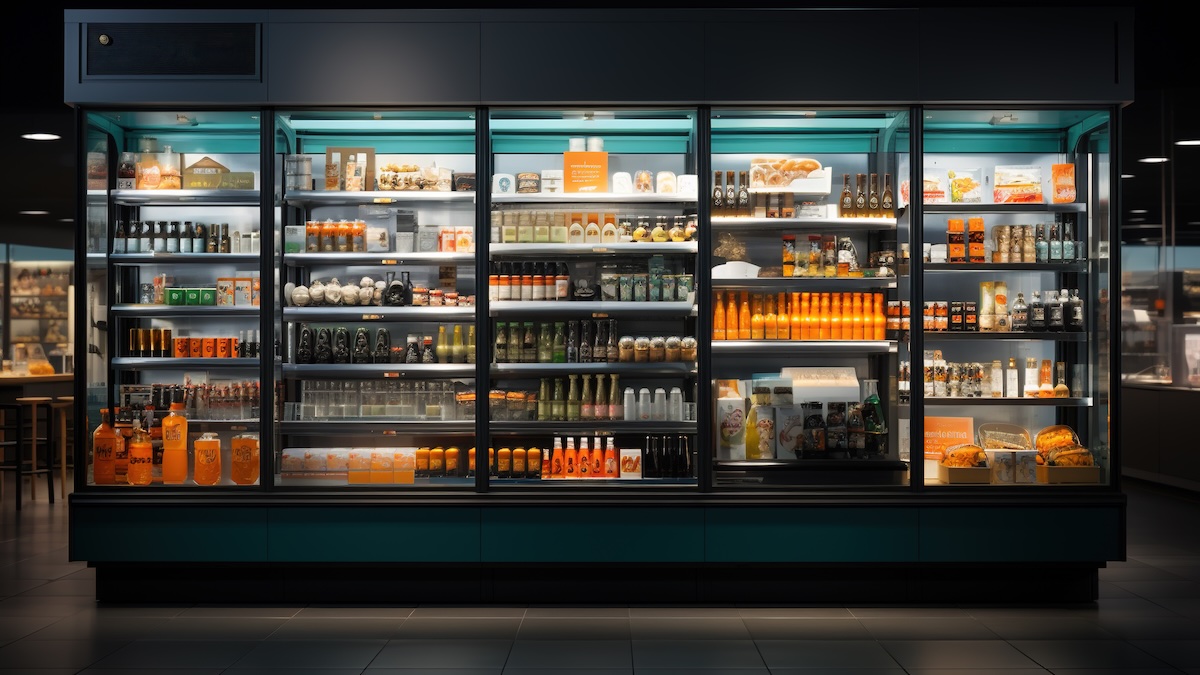
A cyberattack targeted remote refrigeration-control software used by French supermarket chains, allowing hackers to manipulate temperatures and defrosting functions in store cold units. More than 100 Coopérative U supermarkets and 180 stores operated by the Mousquetaires Group were affected, while figures supplied by individual retailers indicated that about 400 stores were hit across France.
Key Points
- Hackers manipulated supermarket refrigeration systems, causing cold units to heat instead of preserve food.
- About 400 French stores were affected, including locations operated by Coopérative U, Intermarché, Netto, Carrefour and Monoprix.
- Retailers discarded food, removed products from display units and reported significant financial losses.
- The Paris prosecutor’s office opened a cybercrime investigation, while no group or individual claimed responsibility.
What happened
The affected software was supplied by Danish engineering company Danfoss and is used to manage refrigeration units remotely. Hackers gained control of software regulating the units’ temperatures and targeted their defrosting function, according to SecurityWeek.
Supermarket freezers normally enter a short overnight defrost period during which temperatures rise slightly. In this incident, the attackers ordered units to heat and remain hot. Intermarché said its units reached 50°C, or 120°F, for six hours overnight into Monday, although Danfoss did not confirm reports about the precise maximum temperatures reached.
Coopérative U chief executive Dominique Schelcher said the attackers targeted equipment essential to food preservation and the food supply. He described the targeting of that equipment as unacceptable and called for an investigation.
Stores and losses
More than 100 Coopérative U supermarkets were targeted. The Mousquetaires Group, which owns Intermarché and Netto, said 180 of its stores were affected, while another 100 shops were urgently disconnected from the internet to prevent the same incident from affecting them.
Carrefour said refrigeration units in 80 of its 6,000 stores were hacked. Monoprix said 5% of its more than 400 stores were hit, and the BBC reported that Carrefour, Monoprix and E.Leclerc were also among the affected retailers.
Figures supplied by individual chains indicated that about 400 stores had been affected out of approximately 15,000 in France. The separate retailer figures describe the reported impact at each chain and were not presented as a single consolidated store count.
Intermarché discarded all food affected by the heating to avoid health risks. The Mousquetaires Group said some fresh- and frozen-food display units remained out of service on Monday afternoon, with stores removing products from those units and working to restock shelves.
Managers at some branches found hot air coming from freezers when they arrived on Monday morning. The BBC reported that small fires occurred in some places. Two supermarkets in Alsace reported combined losses of €270,000, while a broadcaster cited by the BBC said nationwide losses could reach millions of euros.
Investigation and response
The Paris prosecutor’s office opened a specific cybercrime investigation and described the incident as a large-scale cyberattack affecting refrigerators at several major food retail chains across France. No specific group or individual had claimed responsibility, and the identity of the perpetrators remained unclear.
Dominique Schelcher said Coopérative U was working with refrigeration specialists to restore the affected systems.
“Our teams are fully mobilized, in coordination with refrigeration specialists, to restore the situation as quickly as possible. An investigation will be necessary to shed full light on this attack.”
Dominique Schelcher, Chief Executive, Coopérative U
European Food Commissioner Christophe Hansen condemned the attack and linked it to concerns about food security.
“Food security requires more attention at all levels. Because the weaponisation of food has become a reality.”
Christophe Hansen, European Food Commissioner
Older systems were affected
Danfoss said the affected cold units were older models whose security software could not be updated to address a risk the company had identified. The company said it had long advised businesses to keep supported systems up to date.
Danfoss said it remained committed to helping customers maintain secure and reliable refrigeration systems.
“Reliable refrigeration is critical to our customers’ operations, and we remain committed to supporting our customers and helping them maintain secure and reliable systems they are used to.”
Danfoss
Sources
About the Author