Bitget Loses $351.6 Million in Hot-Wallet Breach, Suspends Withdrawals
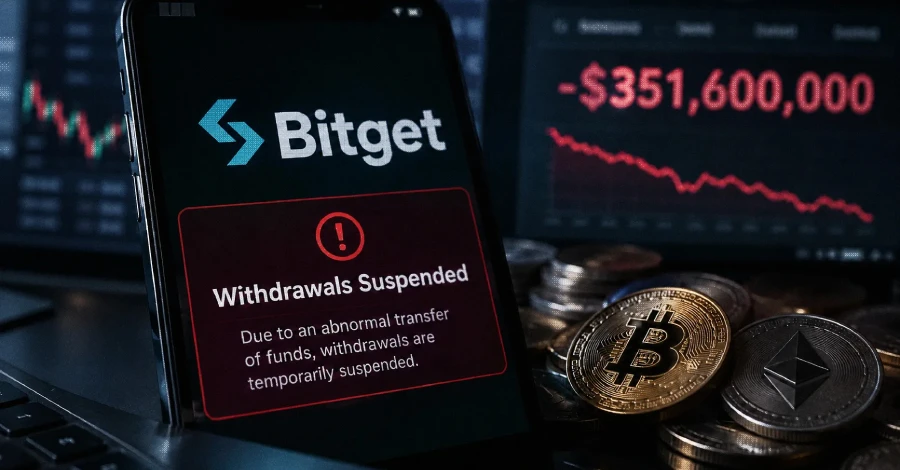
The Bitget breach led to unauthorized transfers from a limited number of hot wallets and a reported $351.6 million loss across parts of the exchange’s wallet infrastructure, prompting a suspension of withdrawals and a security review while deposits and trading continued to operate normally.
Key Points
- Bitget experienced a security breach resulting in approximately $351.6 million in unauthorized transfers from a limited number of hot wallets.
- The incident affected hot wallets and several assets, while cold wallets and the overwhelming majority of platform assets remained secure and unaffected.
- The attack method is highly consistent with known North Korean hacking organizations, and third-party investigators, including Google-owned Mandiant and SlowMist, are assisting with the forensic review.
- Bitget stated its User Protection Fund holds over $464 million, fully covering the loss, and affected blockchain foundations have begun freezing the suspected hacker wallet addresses.
At 18:31 UTC on September 24, 2026, security systems identified unauthorized transfers involving a limited number of hot wallets. Withdrawals were suspended while a comprehensive security review continued, and deposits and trading remained available. No CVE identifiers or named software vulnerabilities were disclosed.
“The attacker compromised a critical backend system within our wallet infrastructure, used it to spoof transaction data, and triggered our authorization process to move funds out. No further unauthorized transfers are possible. The specific method of system intrusion remains under active investigation.” – Bitget
The compromise did not involve stolen private keys. Bitget Wallet operates as a self-custodial wallet on a completely separate and independent infrastructure from Bitget Exchange and was not affected by the incident.
“Bitget Wallet operates as a self-custodial wallet on a completely separate and independent infrastructure from Bitget Exchange and was not affected by this incident.” – Bitget
The affected assets listed by Bitget were ETH, XRP, BNB, AVAX, USDT and USDC, with chains including Ethereum, XRP Ledger, Arbitrum, Avalanche, Optimism, BSC and Base. Bitget also said its User Protection Fund holds more than $464 million and covers the entire loss.
Based on IP behavior patterns and on-chain analysis, the attack method was described as highly consistent with known patterns of North Korean hacker organizations. The company characterized North Korean involvement as very likely while investigators continued examining the evidence, and it said it had contacted the foundations of all affected chains; some foundations had confirmed freezing hacker wallet addresses.
“Based on IP behavior patterns and on-chain analysis, the attack method in this incident is highly consistent with known patterns of North Korean hacker organizations.” – Bitget
Bitget said services would resume once the investigation was complete.
Sources